Therapy for Working Moms
Support for Burnout, Anxiety, Guilt & the Emotional Demands of Balancing Career and Motherhood for Women in St. Louis, Missouri & Illinois.
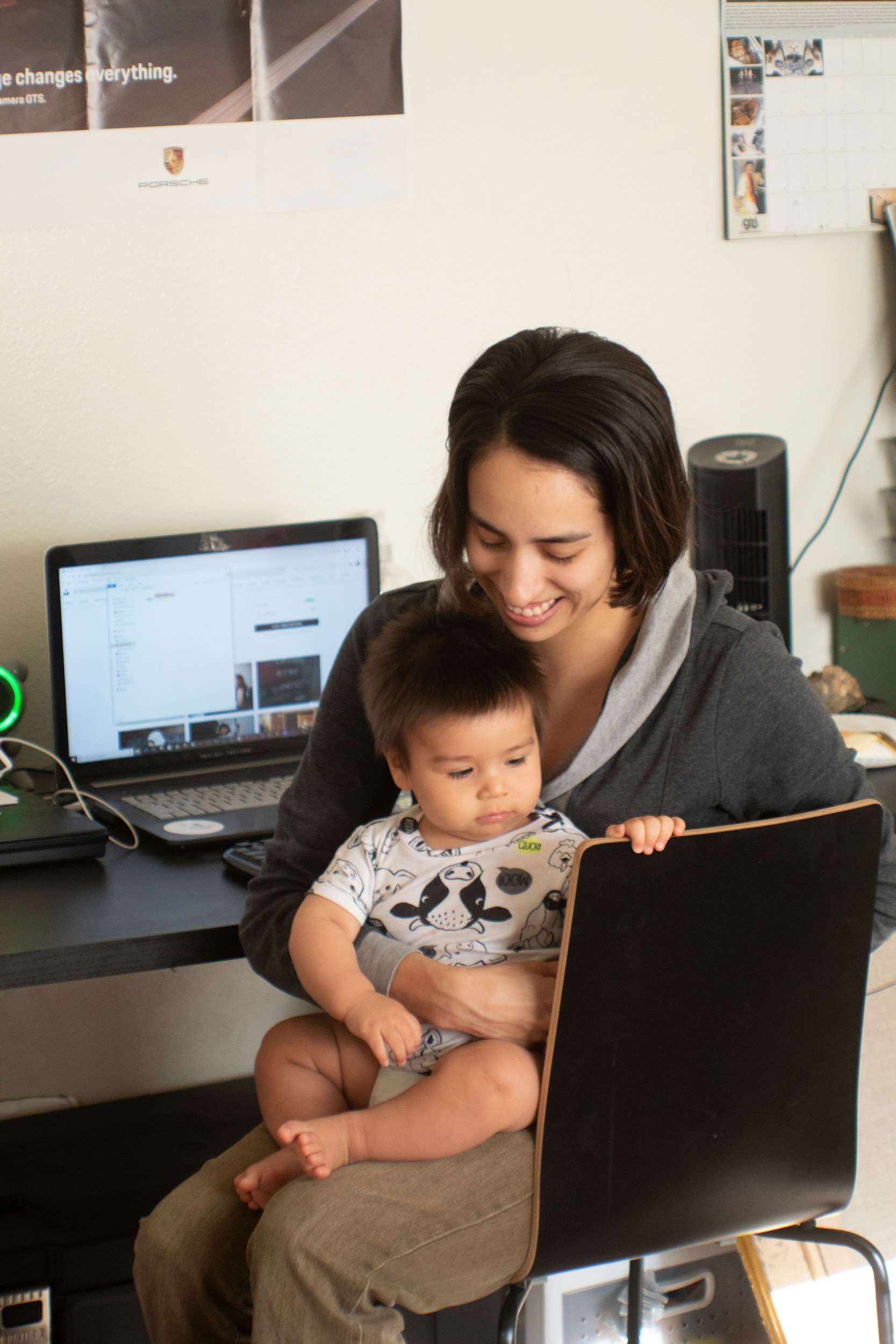

When it feels like everyone needs something from you and you’re falling behind

Motherhood can be deeply meaningful—and incredibly demanding. Between work responsibilities, family life, and the invisible mental load of managing it all, many working mothers find themselves constantly giving to everyone else while quietly feeling overwhelmed, exhausted, and/or falling behind. Therapy provides a space to slow down, understand what's beneath these feelings, and reconnect with yourself.
-
You love your children.
You care about your career.
But somewhere between work deadlines, daycare pickups, doctor's appointments, bedtime routines, and the endless mental checklist running through your mind, you've begun to wonder:
"How am I supposed to keep doing all of this?"
“Who am I outside of work and motherhood?”
“Why do I feel guilty when I'm at work?”
“Why do I feel guilty when I'm at home?”
“Why do I feel like everyone needs something from me?”
“Why can't I just enjoy this?”
Many working mothers I work with carry a constant sense that they should be doing more. More at work, more at home, more for their children, more for their partner.
No matter how much you accomplish, it rarely feels like enough.
Therapy offers a place where you don't have to keep holding everything together.
-
Working mom burnout
Anxiety and chronic stress
Feeling overwhelmed by the mental load
Mom guilt
Difficulty balancing work and family
Emotional exhaustion
Perfectionism
Loss of identity after becoming a mother
Relationship stress after having children
Difficulty asking for help
Feeling like you're failing at work or at home
Constant self-criticism
Trouble slowing down or resting
-
Working mothers often carry an invisible burden.
From the outside, you may appear capable, organized, and successful. Internally, you may feel overwhelmed, emotionally exhausted, and afraid that if you slow down, everything will fall apart.
My practice focuses on helping women better understand these emotional experiences—not simply by learning coping strategies, but by exploring the deeper patterns that keep them feeling responsible for everything and everyone.
Whether you're navigating burnout, motherhood, relationship changes, infertility, postpartum anxiety, or simply trying to find yourself again after becoming a mother, therapy offers a space where you don't have to keep carrying it all alone.
My goal is to provide a space where you feel understood from the very beginning because I understand that becoming a mother often transforms every part of your life, including parts no one else can see.
Common Questions About Working Motherhood & Therapy
-
Yes. Many working mothers feel pulled in multiple directions while trying to meet the demands of work, parenting, relationships, and everyday life.
Feeling overwhelmed doesn't mean you're failing—it means you're carrying a tremendous amount.
-
Many working mothers feel pulled between the demands of work and family, leaving them feeling like they're never doing enough in either role.
Therapy can help you understand where that guilt comes from, challenge unrealistic expectations, and develop a more compassionate relationship with yourself.
-
Many women feel caught between competing expectations.
Therapy can help you understand the unrealistic standards you've internalized while developing a more balanced and compassionate perspective.
-
There isn't a perfect balance, and trying to achieve one often contributes to burnout.
Therapy can help you better understand the pressures you're carrying, set healthier boundaries, and create a more sustainable way of balancing work, motherhood, and your own well-being.
-
Yes. Therapy can help you better understand the emotional weight of constantly managing your family's needs, set healthier boundaries, and develop more sustainable ways of caring for both yourself and those you love.
-
Returning to work often brings conflicting emotions, including guilt, grief, and self-doubt.
Therapy provides a space to process these feelings, challenge unrealistic expectations, and navigate this transition with greater confidence and self-compassion.
-
Becoming a mother changes more than your daily routine—it often changes your identity. Many women become so focused on caring for everyone else that they lose touch with their own needs, interests, and sense of self.
Therapy can help you reconnect with who you are, not just as a mother, but as a whole person.
-
Yes. The transition to parenthood often changes communication, emotional connection, and relationship dynamics.
Therapy can help you better understand these changes, strengthen communication, and build a more connected relationship with your partner.

REASONS TO BOOK
REASONS TO BOOK
You’re drawn to therapy that goes beyond symptom relief—a space with a curious, reflective, and empathetic therapist who helps you uncover the unconscious origins of your thoughts, feelings, and relational patterns, and understand how they continue to shape your present experience.
CLINICALLY TRAINED

DEEP, INSIGHT-ORIENTED APPROACH
Therapy can be challenging work, and having a skilled, clinically trained therapist by your side makes all the difference. After transforming my own career from attorney to therapist, I completed several years of advanced clinical training at both the St. Louis and Chicago Psychoanalytic Institutes. This depth of training allows me to look beyond symptoms alone, helping you understand the underlying patterns that keep you feeling stuck.

WARM AND APPROACHABLE
Starting therapy can feel vulnerable. My goal is to make the process feel approachable by creating a space where you feel comfortable being yourself, asking difficult questions, and exploring what matters most to you.