
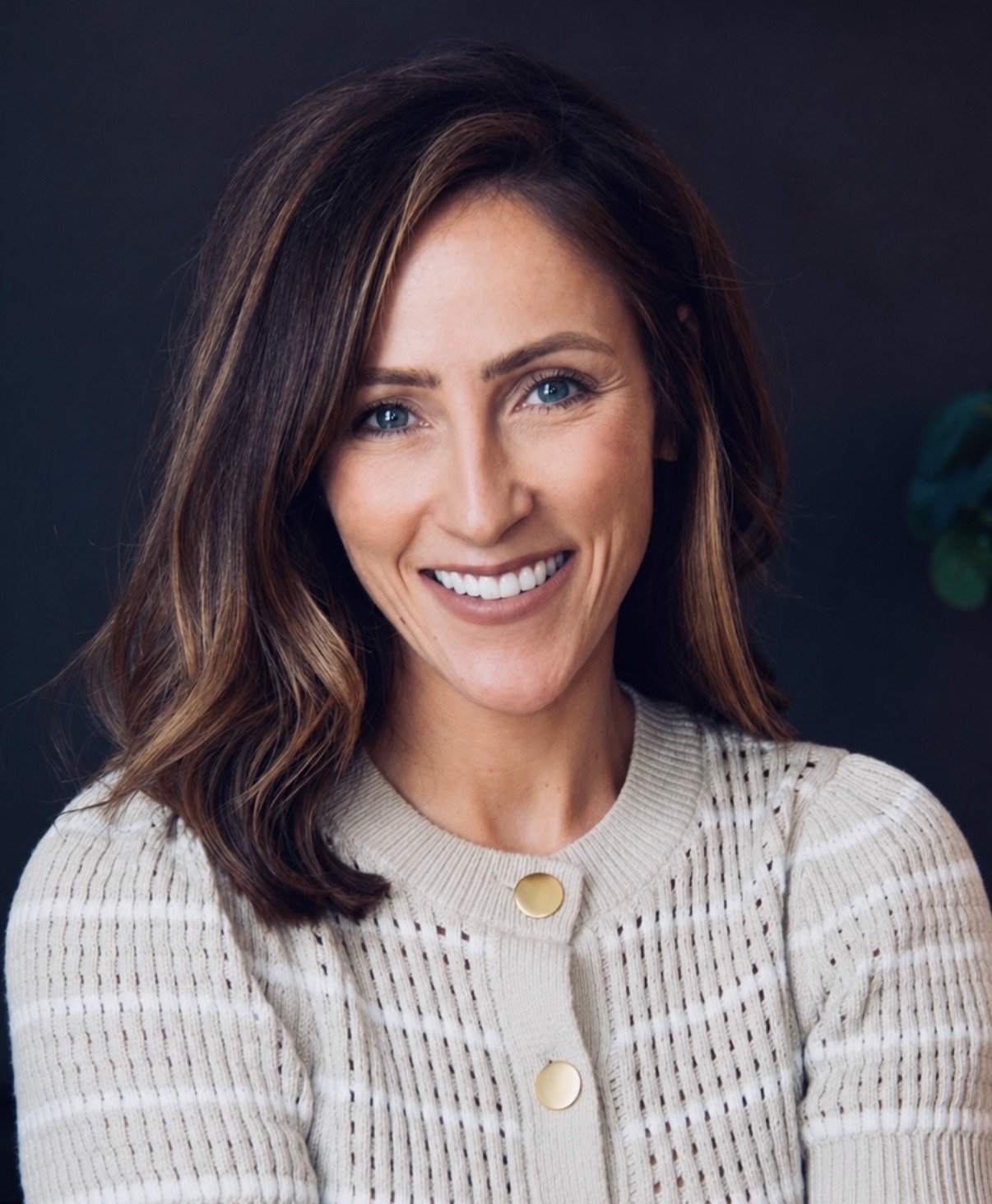

Helping High-Achieving Women Navigate the Complexities of Career, Relationships, and Motherhood
My Philosophy
Therapy is a relationship. It matters that it feels right —that you feel it, and I do too.
My approach is grounded in relational psychodynamic psychotherapy, with integration of Exposure and Response Prevention (ERP) Therapy when it’s clinically helpful for OCD relief. This means our work is not only about symptom relief but about understanding the deeper patterns shaping your inner world and your relationships.
When we meet, we begin with a handful of initial consultation sessions to get a feel for one another and to understand what you are hoping for in therapy. Some thoughts to explore during this phase might be: Do I feel comfortable here? Can I speak openly? Do I feel understood? I will ask: Can I meaningfully help you? Does this feel like a good clinical fit?
What Beginning Therapy Looks Like
Reaching out does not commit you to knowing exactly what you need or how to explain it.
Your first appointment is a full initial session. We will begin understanding what is bringing you to therapy, what you hope could feel different, and whether working together feels like the right clinical fit.
I provide virtual therapy for adult women throughout Missouri and Illinois, with in-person therapy in St. Louis beginning Fall 2026.
MY STORY
MY STORY
Meet Joanna
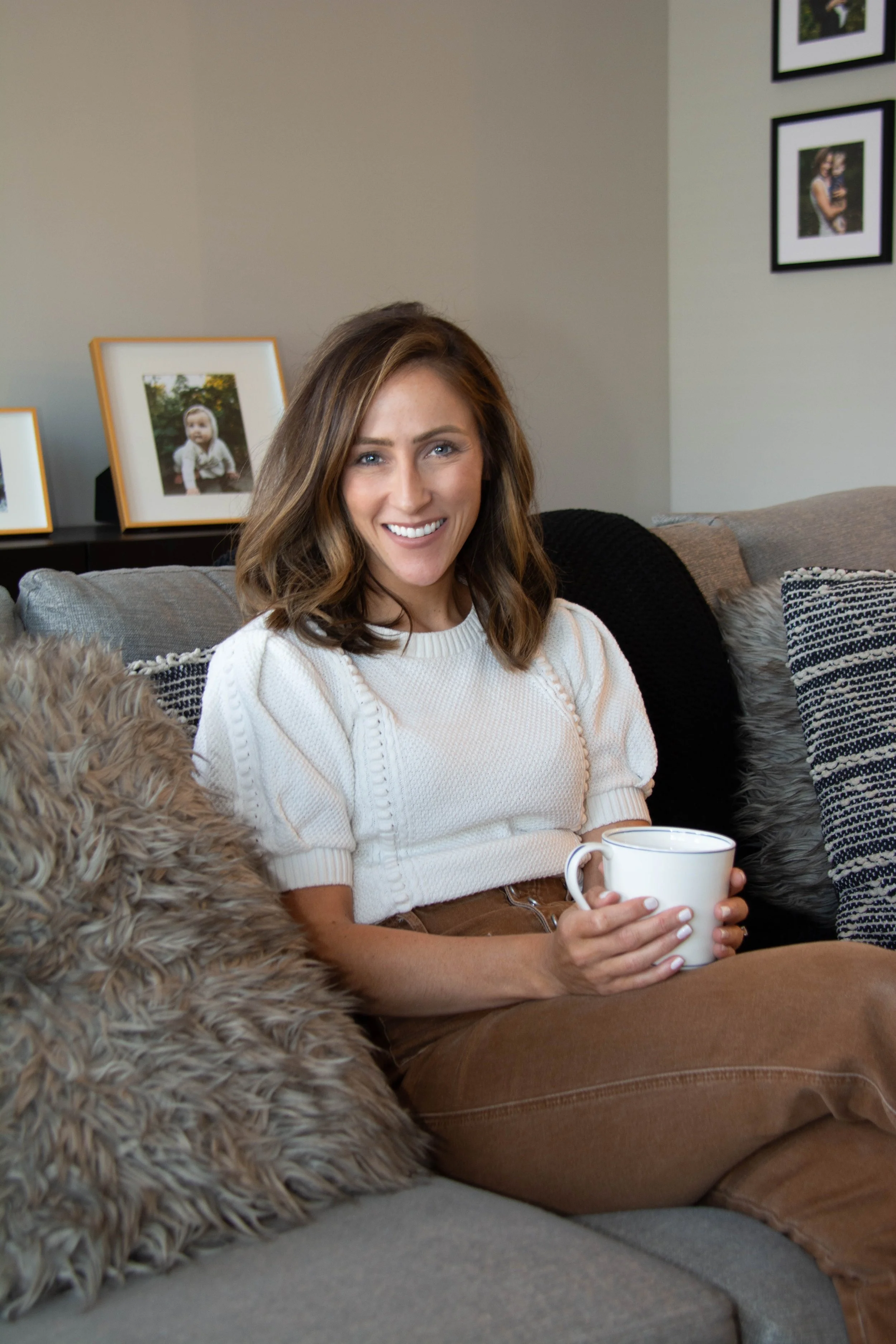
My path to becoming a therapist was not linear. After more than a decade working as an attorney, I found myself drawn toward a different kind of work—one that made space for the parts of life that are not easily solved or reasoned through. While I valued the intellectual challenge of the legal profession, I became increasingly curious about people's inner worlds as I encountered moments in my own life that left me feeling overwhelmed, uncertain, and searching for answers that logic alone could not provide. Through these experiences, I learned how healing it can be to have a therapeutic space that offers support, genuine connection, and the opportunity to understand and put words to difficult emotional experiences.
What continues to inspire me in my private practice is the opportunity to sit with women in moments that are deeply human: the longing for connection, the pain of loss, the uncertainty of change, and the hope that life can feel different.
While each story is unique, I understand the emotional landscape of this work—the way grief, anxiety, and longing can live beneath the surface, even when nothing looks visibly wrong from the outside. I find this work especially meaningful because I recognize how heavy it can feel to carry these experiences alone, and how powerful it can be to finally feel understood in them by another.
At the heart of my work is a belief that meaningful change happens in the context of feeling understood. Not only for presenting concerns, but for the lived emotional experience beneath them.
If this resonates, please reach out to schedule an initial consultation session.
Therapy That Goes Beneath the Surface
You may not need another strategy to perform correctly.
My approach is grounded in relational psychodynamic psychotherapy, with Exposure and Response Prevention incorporated when treating OCD.
This means we can address the symptoms interfering with your life while also understanding the deeper emotional patterns shaping how you experience yourself and relate to others.
Together, we may become curious about:
Why being needed feels safer than having needs
Why achievement temporarily reassures you but never feels like enough
Why rest, uncertainty, or a lack of control feels so uncomfortable
Why you anticipate other people’s feelings before recognizing your own
Why the same conflicts continue appearing in your relationships
How earlier experiences influence what you expect from yourself and others today
This is not about taking away your ambition, independence, or competence. It is about helping you feel less controlled by the patterns that have become emotionally costly.
Therapy is not about becoming someone completely different. It is about becoming more fully yourself.
-
My work is grounded in relational psychodynamic psychotherapy. Together, we look beyond surface-level symptoms to understand the deeper patterns shaping your internal world and relationships. It is not about “fixing” you or focusing only on symptoms but about creating space to understand yourself more fully, allowing you to move through your life and relationships with greater clarity, flexibility, and a stronger sense of self.
In our work, we will gently explore:recurring relationship patterns
how you experience closeness, distance, and vulnerability
the ways you may hold things in or take on more than you show
how past experiences continue to shape present feelings and expectations
-
This kind of work can be especially helpful if you find yourself repeating the same patterns in relationships, feeling stuck in ways you don’t fully understand, or noticing that insight alone hasn’t led to lasting change.
-
I practice ERP for clients experiencing OCD.
ERP is an evidence-based approach that helps you:
gradually face feared thoughts, images, or situations
reduce compulsive or avoidant responses
build tolerance for uncertainty and distress
-
You may benefit from ERP if you find yourself:
Experiencing intrusive, unwanted thoughts that feel upsetting or out of character
Repeatedly checking, washing, cleaning, or seeking reassurance to feel certain or safe
Avoiding people, places, situations, or responsibilities because they trigger anxiety
Mentally reviewing conversations, memories, or decisions to make sure you didn't make a mistake
Repeating actions until they feel "just right"
Feeling trapped in cycles of doubt, uncertainty, or fear despite knowing your worries may be excessive
Specialized Therapy for Women





-
You don’t have to be in crisis to benefit from therapy. Many of the women I work with are thoughtful and high-functioning, yet feel overwhelmed, stuck, or unsure why certain patterns keep repeating.
Some are navigating anxiety, relationship patterns, or the emotional complexities of becoming and being a mother. Others simply want a space to better understand themselves and not carry everything on their own.
If you find yourself wanting a space to better understand your thoughts, emotions, or relationships, therapy can be a meaningful place to start.
-
deeply engaged and present—not just listening to what you say, but paying attention to how you say it, what feels difficult to say, and what may be happening just beneath the surface
thoughtful and honest—I won’t simply agree or reassure when something more meaningful is possible; I will share what I’m noticing in a way that is intended to deepen your understanding, not shut it down
attuned to both words and experience—to shifts in tone, hesitation, patterns in how you relate, and the emotional undercurrent that may not yet have language
curious alongside you—rather than positioning myself as the expert on your life, I approach the work as something we come to understand together
respectful of your pace—while also gently helping you stay with things that might feel uncomfortable, unfamiliar, or easier to move past
aware of the relationship between us—how you experience me, what it feels like to be here, and how those dynamics may reflect patterns that exist outside of therapy
-
I am an in-network provider with Aetna of Illinois, Aetna of Missouri, and Blue Cross Blue Shield of Illinois.
If you have a different insurance plan, you may still be able to use out-of-network benefits. In that case, you would pay my self-rate fee at the time of service and may be eligible for partial reimbursement from your insurance company, often ranging from 60–80%, depending on your plan. I’m happy to provide a monthly superbill for you to submit to your insurance provider.
At this time, I do accept HSA or FSA cards for payment.
-
Currently, I offer virtual therapy sessions for adult women located across Illinois and Missouri.
Virtual therapy allows for flexibility and privacy, while still offering a consistent and meaningful therapeutic experience.
I will offer in-person sessions, starting in Fall 2026 in St. Louis, Missouri.
-
It’s not uncommon for therapy to feel disappointing or limited, especially if it focused primarily on symptom management or didn’t fully address what was underneath.
My approach is relational and psychodynamic, which means we take time to understand the deeper patterns shaping your experience. We will focus not only on what's happening in the present moment, but why. We also pay attention to how these patterns show up in relationships, including in our work together.
For some clients, I also provide structured approaches like ERP for OCD. This allows therapy to be both thoughtful and effective, while still feeling collaborative and attuned to you.
FREQUENTLY ASKED QUESTIONS
Expertly Trained, Purposeful Connection
Two-Year Clinical Fellowship, Chicago Psychoanalytic Institute
Advanced Psychodynamic Program, St. Louis Psychoanalytic Institute
Certified in Perinatal Mood and Anxiety Disorders, Postpartum Support International
Certified in Mental Health Treatment of Infertility, Levels 1 and 2, American Society of Reproductive Medicine
Clinically Trained in Exposure and Response Prevention for OCD, Cognitive Behavioral Institute

HOW TO WORK WITH ME
HOW TO WORK WITH ME
HOW TO WORK WITH ME HOW TO WORK WITH ME
Ready to Get Started?
If something here resonated with you, please reach out about an initial consultation through my contact page. Your first session is a full session, where we begin getting a sense of what’s bringing you in and whether working together feels like a fit.